
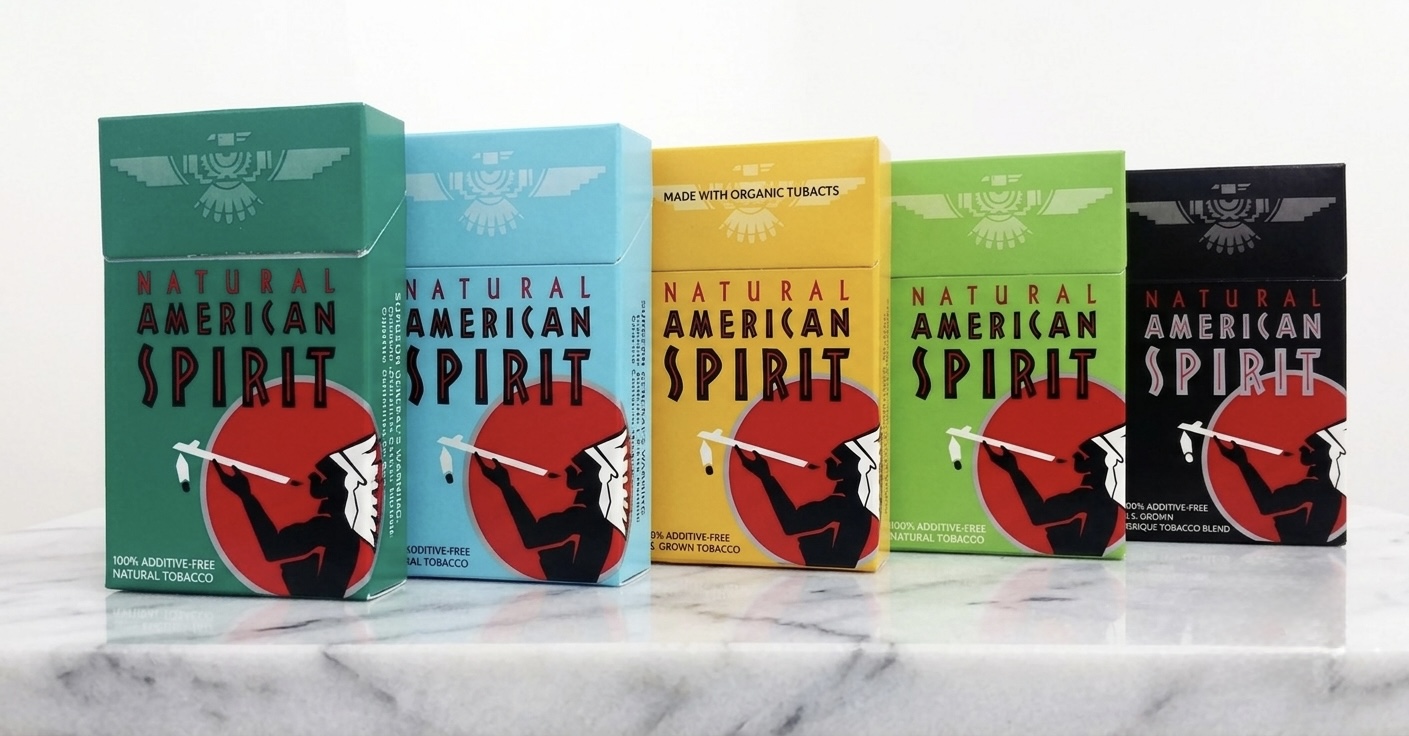
In a major victory for consumer protection and class action jurisprudence, a split panel of the U.S. Court of Appeals for the Tenth Circuit has reversed a district court decision that denied class certification to consumers alleging Santa Fe Natural Tobacco Co. falsely advertised its Natural American Spirit cigarettes as safer and healthier than competing brands.
The 75-page majority opinion written by U.S. Circuit Judge Veronica S. Rossman, joined by Judge David M. Ebel, tackles two of the most heavily litigated issues in modern class action defense: price premium damages models and the proper scope of review at the class certification stage.
First, the Tenth Circuit explicitly rejected the district court’s application of Comcast v. Behrend, holding that the plaintiffs’ proposed damages model established a clear fit with their underlying theory of liability. Plaintiffs alleged that Santa Fe used terms such as Natural, 100% Additive-Free, Organic, and Respect for the earth on its packaging to intentionally mislead consumers into believing American Spirit cigarettes are less harmful than other brands, enabling Santa Fe to command an unearned price premium. The panel majority concluded that because the plaintiffs’ damages model calculates the exact price premium resulting from these uniform, allegedly misleading packaging terms, there is no possibility that damages would be attributed to non-challenged actions. The court rejected Santa Fe’s arguments on cross-appeal regarding non-menthol additives, reiterating that arguments about alternative driver meanings of packaging terms are common to all class members and do not defeat Rule 23(b)(3) predominance.
Second, the Tenth Circuit panel clarified that district courts must refrain from prematurely resolving the ultimate merits of a case when deciding whether to certify a class. The district court had originally refused certification after evaluating whether packaging disclaimers were effective in practice. The Tenth Circuit ruled that this evaluation improperly reached the merits of the dispute. At the certification stage, courts are required to ask only whether common evidence can prove a claim’s elements, such as disclaimer ineffectiveness, not whether that evidence will ultimately succeed at trial.
The Tenth Circuit has remanded the case to the U.S. District Court for the District of New Mexico. On remand, the district court will evaluate common proof regarding packaging disclaimers and re-weigh the predominance requirement in alignment with the Tenth Circuit’s ruling that plaintiffs’ damages framework satisfies Comcast. Pearson Warshaw remains dedicated to prosecuting complex consumer protection actions and holding corporations accountable when uniform marketing practices mislead the public.
The matter is Dunn et al. v. Santa Fe Natural Tobacco Co. et al., District of New Mexico, Case No. 1:16-md-02695-JB-LF.